Chocolate And The Sirtfood Diet
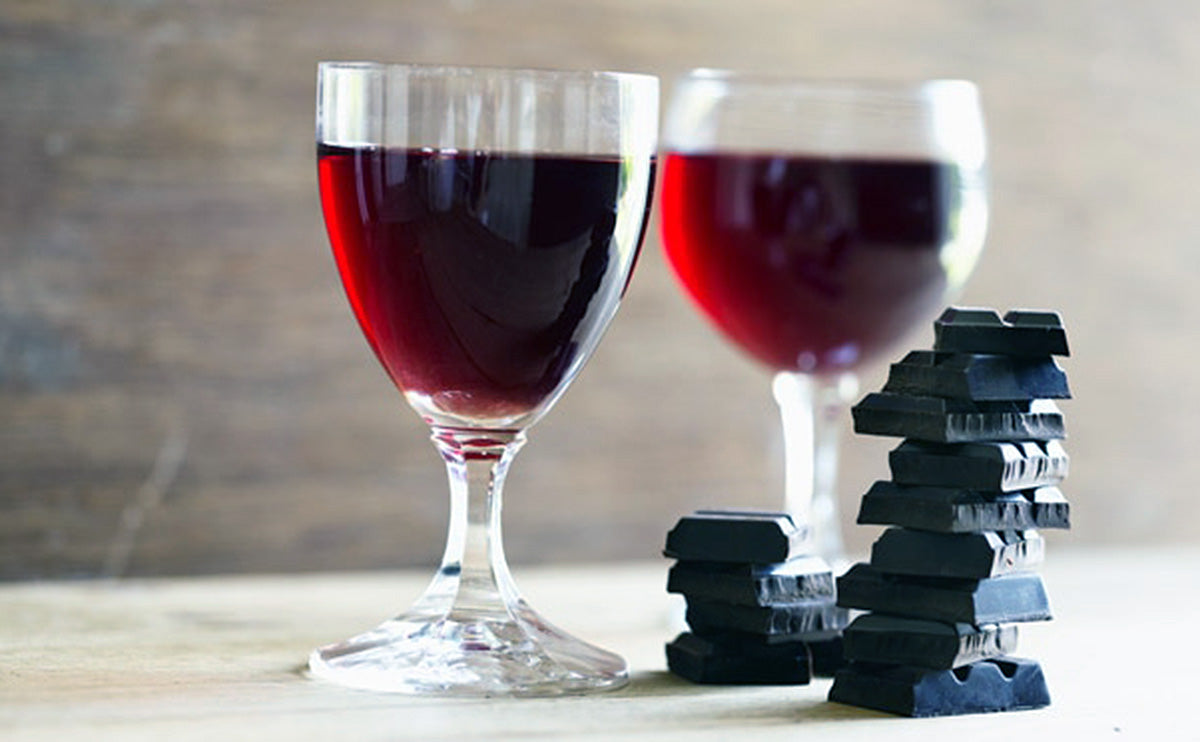
The Sirtfood Diet has been all over the media in recent months, not least because it promotes the inclusion of dark chocolate as part of its healthy eating plan. But what exactly are Sirtfoods?Sirtfoods are those which are high in sirtuin activators - a type of protein known to protect our body’s cells and inhibit premature ageing. They include citrus fruits, kale, blueberries and even red wine and dark chocolate. But the real buzz around the Sirtfood diet - pioneered by Aidan Goggins and Glen Matten – is due to its claims to influence the body’s fat-burning ability and boost our metabolism, encouraging weight loss.
The jury’s still out on this one – is it a real diet breakthrough or just another fad?
Probably a bit of both. As with all successful diet plans, a balanced approach is best: treat yourself in moderation, whilst making healthier choices and trying to include sirtuin-rich foods in your diet every day.
The good news is that high quality dark chocolate is both an enjoyable treat and a healthy food choice, when eaten in moderation. Red wine too – but don’t go overboard!
Why not reward your diet plan success with a little treat? You can view our handcrafted range of luxury dark chocolates onlineor call us on 0121 314 3472 to place a telephone order.